
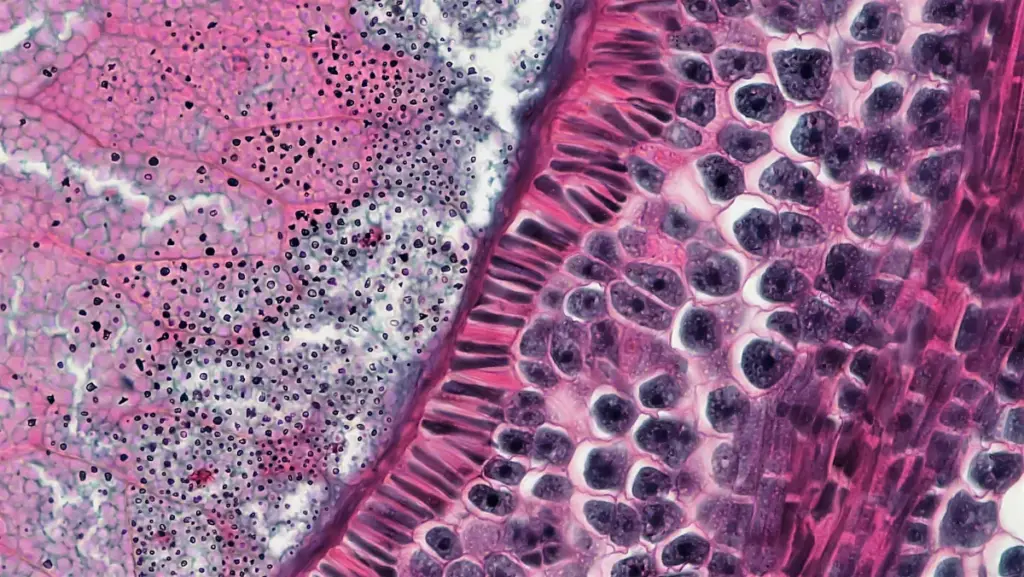
Rebuilding Bone Volume for Implant Site Development
When bone loss affects the width, height, or overall volume of the alveolar ridge, ridge augmentation procedures can help restore the foundation needed for successful implant placement. Depending on the severity and location of the defect, clinicians may use a variety of grafting techniques and materials to rebuild hard tissue and support long-term treatment outcomes.
At OsteoGen™, we offer solutions designed to support a wide range of ridge augmentation procedures, from socket preservation to complex vertical and lateral defects.
What Is Ridge Augmentation?
Ridge augmentation is a bone grafting procedure used to restore areas of the jaw that have lost bone due to tooth extraction, periodontal disease, trauma, or long-term edentulism.
The objective is to recreate the bone volume necessary to:
- Support future dental implants
- Improve ridge contour and anatomy
- Enhance restorative and esthetic outcomes
- Maintain long-term bone stability
The treatment approach is determined by the size and type of defect, as well as whether implant placement will occur immediately or at a later date.
Featured Ridge Augmentation Products
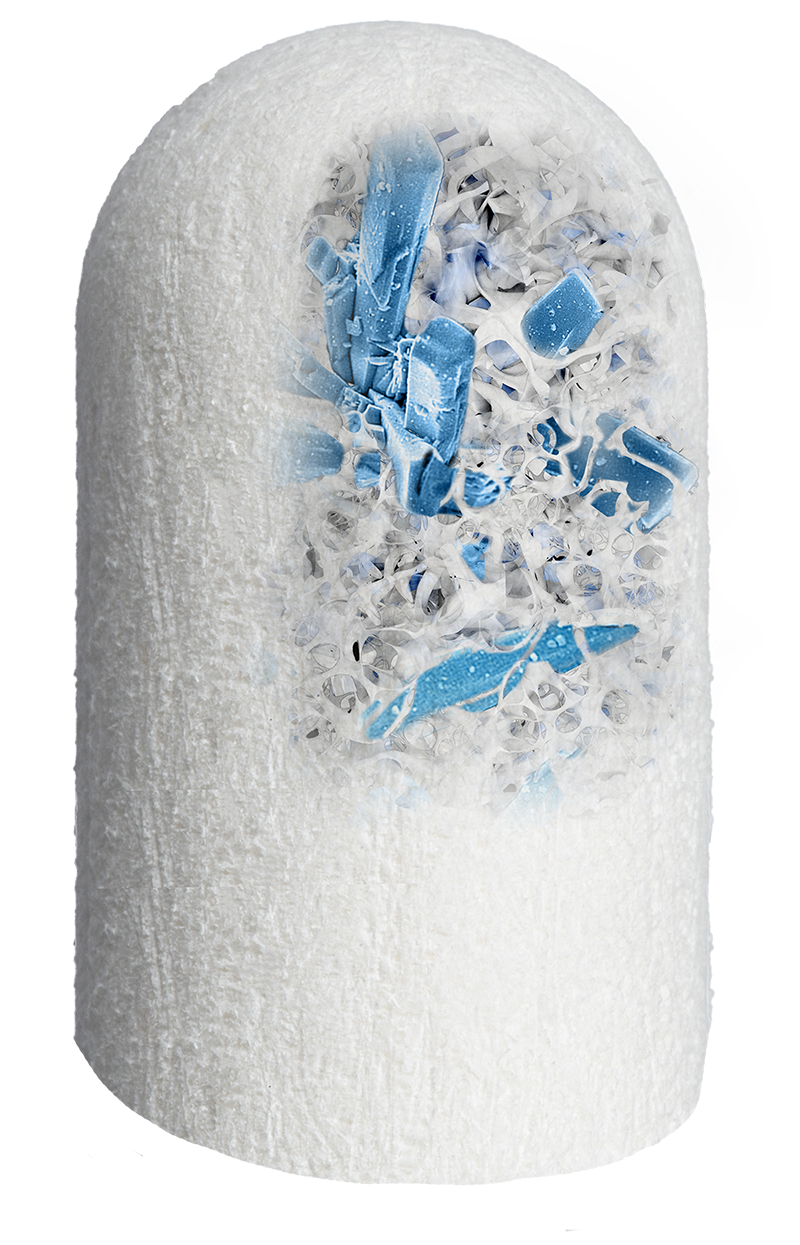
OsteoGen® Plugs
The One-Step Bone Graft Solution for Socket Preservation – a bioactive, non-ceramic, resorbable calcium phosphate bone graft.
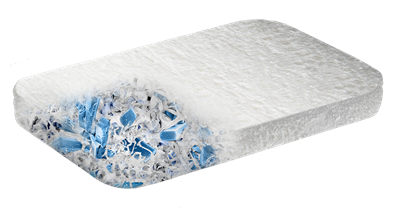
OsteoGen Strip
Shapeable strips that adapt to defect morphology and can be layered or combined with other grafting materials to support ridge development.
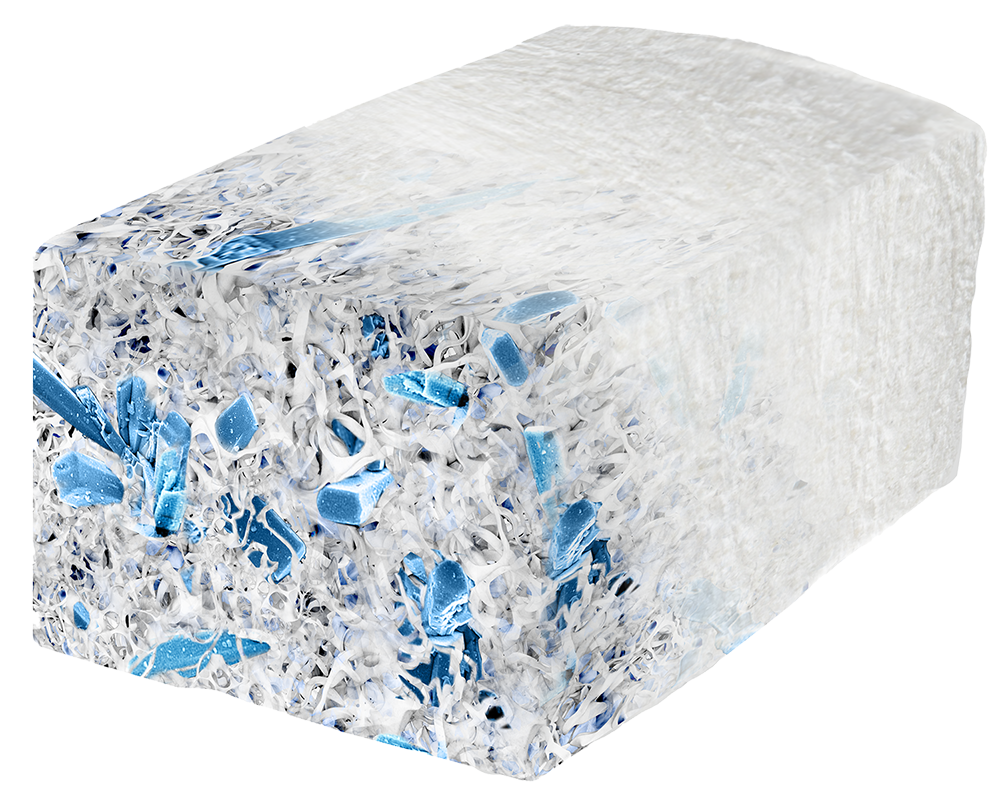
OsteoGen Block
A mineralized collagen scaffold designed for onlay grafting and ridge augmentation procedures where additional ridge width or height is needed.
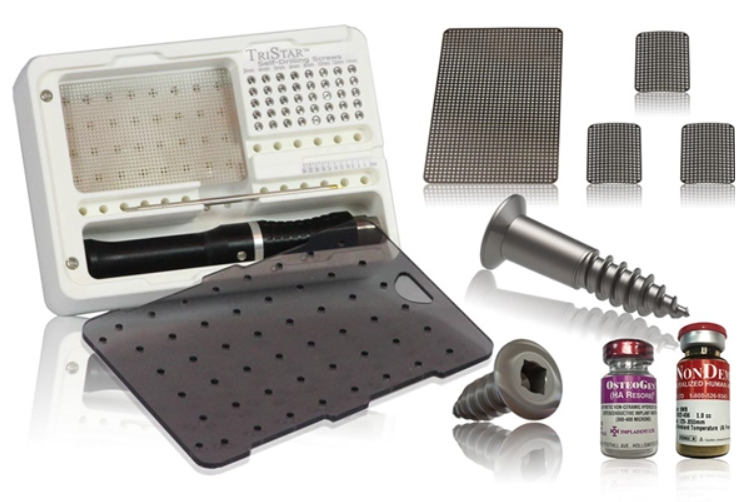
TriStar Fixation System
Fixation screws and accessories designed to stabilize graft materials during healing, helping maintain the desired contour and position of the graft.
Pricing is available to logged in users.